Sciatica PRO+ blog
Sciatica Is Not Neuropathy, and the Difference Matters
One is a nerve being squashed. The other is a nerve being poisoned by high blood sugar. Nearly every study you will be shown is about the second.
Start here
Two words, used as if they were one
Scroll the nerve category on any storefront and two words are doing the work: sciatica and neuropathy. They appear in the same search results, often on the same page, and they get used as though they were two names for one complaint. They are not. They describe different problems, arising from different causes, treated in different ways — and carrying very different amounts of research behind them.
The distinction decides which studies are relevant to what you are about to buy. Almost every trial gestured at in this category was run in one of these two conditions, and almost none of it in the other. Sciatica PRO+ is the worked example at the end.
The first word
What sciatica is, in MedlinePlus’s words
MedlinePlus, the consumer service of the U.S. National Library of Medicine, opens its sciatica page with a sentence worth reading twice:
MedlinePlus on sciatica
“Sciatica is a symptom of a problem with the sciatic nerve, the largest nerve in the body.”
Notice the word “symptom”
Sciatica is not itself the underlying problem. It is what the underlying problem feels like: something is pressing on, or irritating, one very large nerve, and the pain travelling down the leg is the report of that pressure. MedlinePlus describes the sensation directly: “Pain, weakness, numbness, or tingling that starts in the lower back and extends down your leg to your calf, foot, or even your toes.” Anybody who has had it recognises that instantly, and the recognition is what a product name is built to catch.
The causes are mechanical
This is where the two words separate. MedlinePlus lists the usual reasons: “Common causes include a ruptured intervertebral disk, spinal stenosis, and pelvic injuries. In many cases no cause can be found.” A disk, a narrowed canal, an injury to the pelvis. Every one of those is a structure in the wrong place, or a space that has become too small. Nothing on that list is a deficiency, a metabolic state or a nutrient.
The second word
What peripheral neuropathy is
Now the other word. The National Institute of Neurological Disorders and Stroke, part of the NIH, defines it as a family rather than a single illness:
NINDS on peripheral neuropathy
“Peripheral neuropathy refers to the many conditions that involve damage to the peripheral nervous system.”
Damage, not compression
Set the two definitions side by side and the difference is plain. Sciatica is a nerve being squeezed by something next to it. Peripheral neuropathy is nerve tissue being damaged, usually by something circulating in the body rather than pressing on it from outside. One is a plumbing problem; the other is a chemistry problem.
And the leading cause is named
NINDS does not leave that vague: “Diabetes is the leading cause of peripheral neuropathy in the U.S.” That one sentence explains most of what follows here, because a research literature grows where the patients are.
Two vitamins get a specific mention
NINDS also names the nutritional causes it considers best established: “Vitamin B12 deficiency and excess vitamin B6 are the best-known vitamin-related causes.” Both halves of that sentence are worth carrying around a supplement aisle, and the NIH Office of Dietary Supplements puts the second half bluntly: “Taking high amounts of vitamin B6 from supplements for a year or longer can cause severe nerve damage, leading people to lose control of their bodily movements.” This is an unusual category, in which an ingredient can also, at the wrong amount, be a cause.
What acts on what
Different causes, different treatments
If the causes differ, the treatments differ. MedlinePlus is specific: “Treatment may include exercises, medicines, and surgery. Sometimes sciatica goes away on its own.”
Exercises, medicines, surgery
Three things, none of which is a capsule. That is not a judgement about supplements; it is a description of what acts on the problem. If a disk is pressing on a nerve root, the options are to change the mechanics, to manage the pain while the body settles, or to take the pressure off. A nutrient taken by mouth does not decompress anything.
And the last clause matters too
Sometimes sciatica goes away on its own. That is the sentence that makes personal testimony in this category so hard to read: if a condition resolves by itself in a meaningful share of people, anything somebody happened to be taking while it resolved will collect the credit. It is one reason this site publishes no customer quotes at all.
The line that is not ours to draw
None of this is a reason to self-diagnose from a web page. Leg pain that is new, severe, spreading, or accompanied by weakness or any change in bladder or bowel control is a same-day medical question, and that outranks everything else here.
The evidence
Where the research was actually run
Here is the commercial consequence, and it is why the distinction is worth a post rather than a footnote.
The ingredient this category is built on
Alpha lipoic acid is the largest ingredient in most nerve formulas, including this one, and the one with genuine research behind it. That research was run in diabetic neuropathy. Not in sciatica, not in nerve compression: in nerve damage caused by long-term high blood sugar, the condition NINDS names as the leading cause of peripheral neuropathy in the United States.
And even there, the reading is mixed
The National Center for Complementary and Integrative Health summarises that literature without flattering it. One 2022 review: “A 2022 review found inconsistent findings: three studies showed symptom improvements while five did not.” Another reached a softer conclusion: “Alpha-lipoic acid might help reduce pain in people with diabetic neuropathy.”
Read them together and you have the honest state of the evidence: might, in that condition, with the studies disagreeing. That is the strongest foundation this category has.
Worked example
What that means for a bottle like this one
So set the two beside each other. A product named after a mechanical condition is standing on evidence gathered in a metabolic one. That is the finding, stated as neutrally as we can state it.
What that does not mean
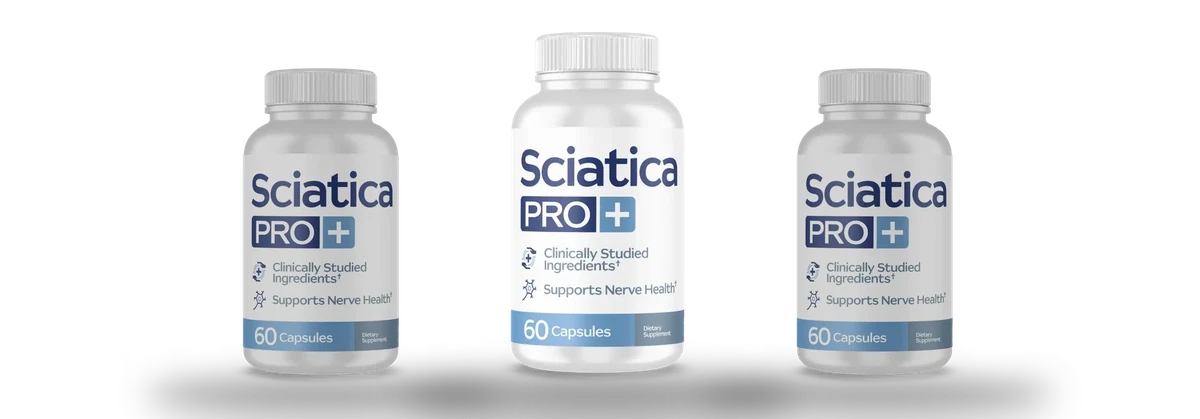
It does not mean the product is fake, that the ingredients are inert, or that anybody lied. Nothing on this label claims to treat sciatica — the printed claims are “Supports Nerve Health†” and “Clinically Studied Ingredients†”, both careful, both correctly disclaimed. The bottle is not making the leap. The reader is invited to.
What it does mean
That if you are buying on the strength of “clinically studied ingredients”, you should know which condition those studies enrolled. Alpha lipoic acid has been studied; so has benfotiamine. This combination, at these amounts, has not — no trial of this formula was supplied to us and none is published anywhere we could find.
The B12 row, while we are here
One nutrient on this panel has a direct, federally stated connection to the symptom people come here for. ODS writes that vitamin B12 “Vitamin B12 helps keep your body’s blood and nerve cells healthy.”, and on deficiency: “Your hands and feet might become numb or tingly, a sign of nerve problems.” This label supplies 2 mcg of it, against an adult recommended intake of 2.4 mcg.
Credit where due
The fair version of this argument
Fairness requires three things to be said in the same breath, so here they are.
Alpha lipoic acid at 400 mg is a real amount
It is not a gesture, not a dusting, not a name on a list. Whatever you conclude about the condition it was studied in, the quantity here is within sight of the research figures, which is more than can be said for most of the category.
NCCIH reports it as well tolerated
Its summary is explicit: “Alpha-lipoic acid supplementation was safe in healthy individuals and in patients affected by certain diseases, including cardiovascular disease, neurological disorders, and diabetes.” This is not an argument about safety.
Nobody here claimed otherwise
The label does not say it treats sciatica. The gap this post describes lives between the name on the front and the evidence behind the panel, and a careful reader closes it by reading both. NCCIH adds the sentence that belongs at the end of a post like this one, written about diabetes but true far more widely: “It’s very important not to replace medical treatment for diabetes with an unproven health product or practice.”
Closing
What to do with the distinction
Keep the two words apart and a great deal of marketing becomes easier to read. When a page cites a study, ask which condition it enrolled. If the answer is diabetic neuropathy — and it usually is — any extension of that study to a compressed nerve root is being done by you, not by the researchers.
The honest version
If your leg pain is sciatica, the things MedlinePlus lists are exercises, medicines and surgery, and a capsule is not among them. If your symptoms are numbness and tingling with no obvious mechanical cause, that is worth a blood test rather than a bottle. And if you want alpha lipoic acid at 400 mg with every other amount on the panel printed beside it, this label gives you that more completely than anything else we have examined. The ingredients page works through all ten rows, and the how-it-works page follows the mechanism argument.
References
Sources
- MedlinePlus, U.S. National Library of Medicine. Sciatica. medlineplus.gov. Accessed September 30, 2026.
- National Institute of Neurological Disorders and Stroke, NIH. Peripheral Neuropathy. www.ninds.nih.gov. Accessed September 30, 2026.
- National Center for Complementary and Integrative Health. Diabetes and Dietary Supplements: What You Need To Know. www.nccih.nih.gov. Accessed September 30, 2026.
- NIH Office of Dietary Supplements. Vitamin B12. ods.od.nih.gov. Accessed September 30, 2026.
- NIH Office of Dietary Supplements. Vitamin B6. ods.od.nih.gov. Accessed September 30, 2026.
Order Sciatica PRO+ from the official page
Vegetable capsules, 60 capsules a bottle, two a day with 6–8 oz of water, so thirty days a bottle. Ten ingredients with ten published amounts and no proprietary blend. 60 days from purchase to change your mind. The support line printed on the label is listed in the site footer.
Price shown at checkout · 60-day window from the date of purchase · ships from inside the US · every contact route is in the site footer
Next
Keep reading
What the formula is understood to do
The mechanism the ingredients are chosen on, and the condition they were studied in.
Read it →All ten, one at a time
Every ingredient with its printed amount and the federal page that covers it.
Read it →Where this formula splits in two
Four hundred milligrams, then one hundred and fifty, then a cliff.
Read it →